
James Hardie is one of the most respected siding materials available today. It offers excellent durability, strong weather resistance, and a premium look that holds up well in Midwest climates. But like any major home improvement product, it has drawbacks that homeowners rarely hear about during the sales process.
At J&B West, we install Hardie on homes across Northwest Indiana and Southwest Michigan. We believe it’s a great product- when it’s installed correctly and on the right home. Our goal is to give homeowners clear information so they can make confident decisions.
Here are the five most common problems with James Hardie siding that most contractors don’t talk about.
1. The Most Common James Hardie Siding Problems Start With Installation
James Hardie performs best when every part of the installation follows the manufacturer’s exact specifications. Even small errors can lead to long-term issues.
You can review the official James Hardie installation guidelines for more details.
Common installation mistakes include:
- Nails driven too deep or too shallow
- Incorrect spacing between boards
- Missing flashing or moisture barriers
- Improper caulking or sealing
These issues can cause moisture problems, gaps, or premature wear – and in some cases, they can void the warranty.
Why this matters:
Hardie is not a forgiving material. If a crew doesn’t install fiber cement siding regularly, the homeowner may end up with expensive repairs later.
2. It’s Heavier and More Labor-Intensive Than Vinyl
Hardie is made of cement fibers, which makes it significantly heavier and more rigid than vinyl. That adds complexity to the installation.
This leads to:
- Larger crews on-site
- Longer installation timelines
- Specialized cutting tools
- Higher labor costs
Why this matters:
Homeowners are sometimes surprised when they see the price difference between Hardie and vinyl. The higher cost isn’t just the material – it’s the labor required to install it correctly.
3. Moisture Exposure During Installation Can Lead to Problems
Fiber cement siding should not sit uninstalled or unpainted for long periods. If Hardie boards absorb moisture before they’re installed and sealed:
You may see:
- Swollen edges
- Inconsistent paint adhesion
- Premature deterioration
- Boards that need to be replaced
This can happen quickly in the Midwest, especially with unpredictable rain or humidity.
Why this matters:
Your contractor needs a real job-site plan for weather protection and handling. Hardie installation requires organization, not guesswork.
4. It’s More Expensive Than Most Homeowners Expect
Hardie is a premium siding product, and the total project cost reflects that.
Costs increase due to:
- The product itself
- Specialty trim and accessories
- Skilled installation labor
- Additional time required for precise work
For most homeowners, Hardie ends up being 30–50% more expensive than vinyl siding.
Why this matters:
The long-term durability is excellent, but the upfront investment is higher. Homeowners deserve to know that early in the conversation.
5. Installation Mistakes Are Difficult and Expensive to Fix
Unlike vinyl, where a single panel can be popped out and replaced, repairing Hardie often requires more involved work.
Fixing errors may include:
- Cutting new boards
- Removing multiple sections
- Repainting seams or large areas
- Replacing trim or flashing
Why this matters:
If Hardie isn’t installed right the first time, the cost to fix it can add up quickly.
Is James Hardie Siding Worth It?
Yes – when it’s installed properly and matched to the right home.
Hardie delivers excellent long-term value, strong weather resistance, and a clean, modern appearance. It performs especially well in Northwest Indiana’s mix of cold winters, humidity, and seasonal storms.
But homeowners should understand the full picture, including the potential challenges, before making a decision.
James Hardie vs. Vinyl: What’s the Difference?
Here’s the simplest breakdown:
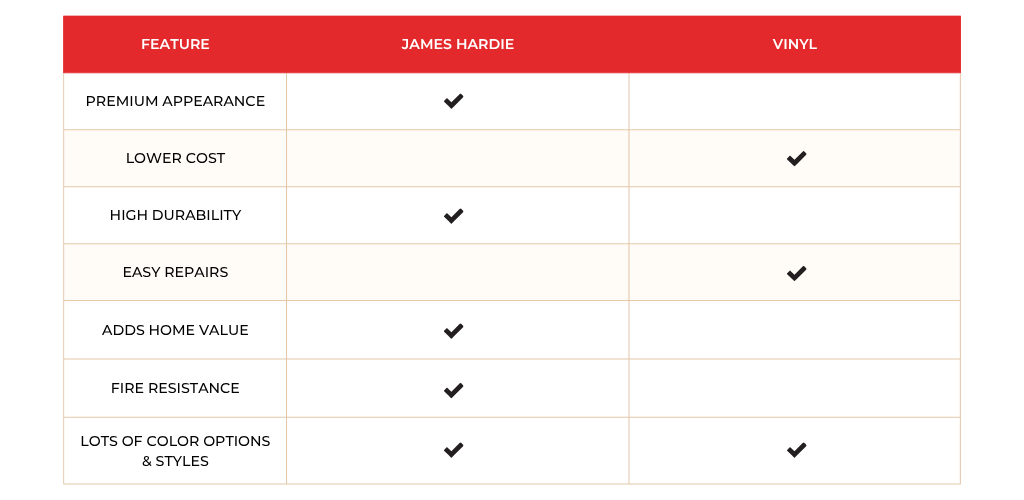
Hardie is best for long-term durability. Vinyl is best for budget, speed, and low maintenance.
See if James Hardie is the right fit for your home
Get a free siding consultation with clear pricing, honest pros and cons,
and a siding plan tailored to your home.
Common Questions About James Hardie Siding
The most common problems include precise installation requirements, higher labor cost, moisture sensitivity during installation, a higher overall project cost, and expensive repairs if mistakes happen.
Hardie itself does not rot, but improper installation can allow moisture behind the boards, which can damage sheathing or framing.
Yes. Hardie performs well in Midwest conditions as long as it’s installed correctly and protected during the installation process.
Hardie is more durable and premium looking, while vinyl is more affordable and easier to install or repair. The right choice depends on your budget and goals.